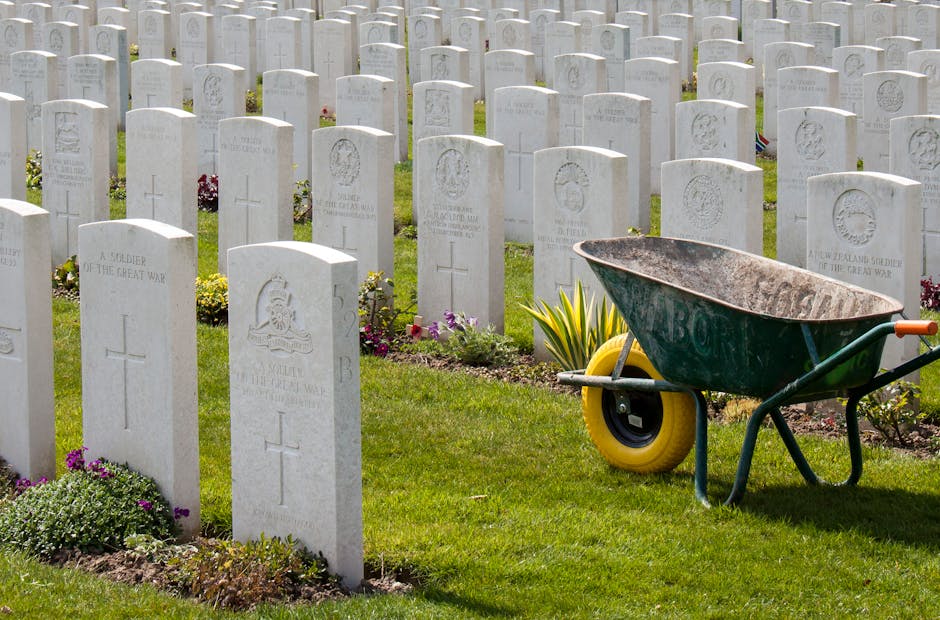
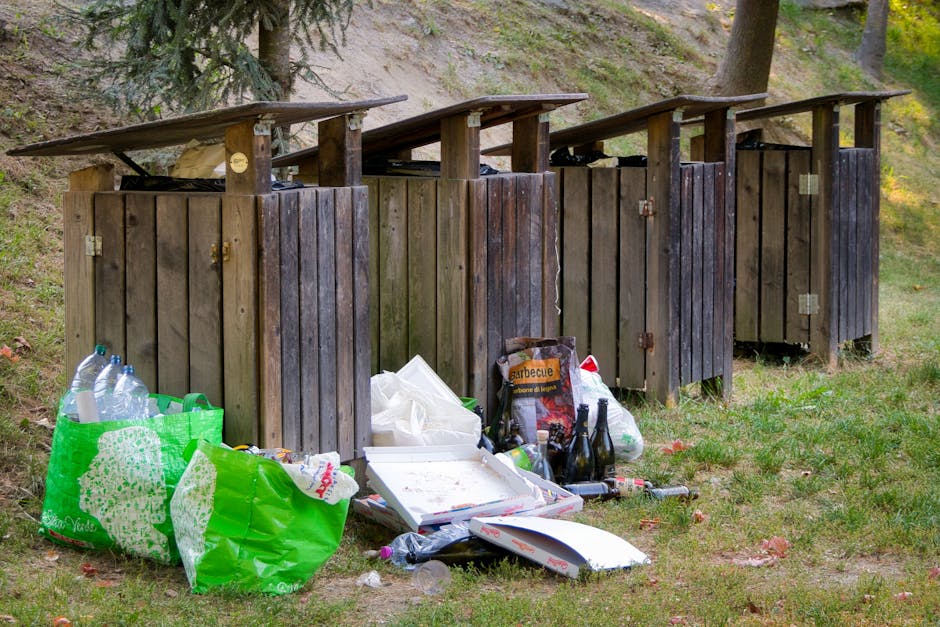
Rubbish collection tips for visitors at West Norwood Cemetery
Visiting West Norwood Cemetery is usually a quiet, thoughtful experience. You come for reflection, family history, a walk among the trees, or perhaps to tend a grave that matters deeply to you. But even in a peaceful place, small bits of waste can build up fast: flower wrap, tissues, takeaway cups, old wilted blooms, crisp packets, labels, and the odd emergency biscuit wrapper that somehow appears in every bag. This guide on rubbish collection tips for visitors at West Norwood Cemetery is designed to help you keep your visit calm, respectful, and tidy without making the day feel like a chore.
You will find practical advice on what to bring, what to leave at home, how to separate litter from memorial items, and how to avoid the little mistakes that can cause hassle for you or extra work for cemetery staff. Let's face it, no one wants to be the person who leaves a mess near a memorial. A few simple habits make a big difference.
Table of Contents
- Why these rubbish collection tips matter
- How rubbish collection works in a cemetery setting
- Key benefits and practical advantages
- Who this is for and when it makes sense
- Step-by-step guidance
- Expert tips for better results
- Common mistakes to avoid
- Tools, resources and recommendations
- Law, compliance, standards and best practice
- Options, methods and comparison
- Case study or real-world example
- Practical checklist
- Conclusion
- Frequently asked questions
Why Rubbish collection tips for visitors at West Norwood Cemetery Matters
Cemeteries are not ordinary public spaces. Visitors are usually there for remembrance, quiet time, or care of a grave, so the standard for behaviour is a bit different from a park or high street. Good rubbish habits help preserve that atmosphere. They also prevent small messes from becoming bigger ones, especially when wind picks up paper, plastic, or lightweight floral packaging.
In practice, poor waste habits can create a few problems. Loose rubbish looks disrespectful. Overflowing bins are unpleasant. Flower wrap and packaging can block pathways or blow onto adjacent plots. And if a visitor leaves items beside a grave thinking "someone will sort it later," well, that usually means extra work for somebody else. Not ideal.
There is also a wider point. Good cemetery etiquette is part of being a considerate visitor. It helps protect the space for other families, for staff, and for volunteers who may be carrying out maintenance. If you are planning a larger tidy-up at home before or after a visit, services like house clearance or home clearance can help you deal with unwanted items responsibly before they ever get into the car.
Expert summary: The best rubbish collection approach at a cemetery is simple: bring less, separate waste as you go, carry a small bag for leftovers, and never leave anything behind unless the site clearly allows it.
How Rubbish collection tips for visitors at West Norwood Cemetery Works
At a cemetery, rubbish collection usually happens in two parts. First, visitors manage the waste they create during the visit. Second, cemetery staff or contractors handle the site's own bins, grounds waste, and maintenance materials. The visitor's job is the easier one, thankfully.
The main idea is to keep your own waste contained. That means sorting out flowers, compostable material, paper wrapping, drinks containers, and any personal litter before you leave. If you have been tidying a grave, you may also need to think carefully about what counts as waste and what counts as a memorial item. A faded bunch of flowers is one thing; a vase, plaque, or keepsake is another. Different spaces treat these differently, so use judgement and leave anything uncertain in place unless you are sure it should be removed.
If you are travelling with larger items, maybe a bench cushion, old floral displays, or a bag of household odds and ends from a clean-out day, it is worth dealing with them separately. For example, bulky items are not really "visit rubbish" at all. They may be better handled through waste removal or one of the specialist disposal services on the site, depending on what you have.
The working rhythm is simple:
- Arrive with a clear plan for what you are bringing.
- Use a small reusable bag to collect your own litter during the visit.
- Keep floral waste, food waste, and general rubbish separate where possible.
- Leave memorial items alone unless they are clearly ready to be removed.
- Take everything home if bins are full or not clearly available.
Key Benefits and Practical Advantages
Good rubbish collection habits are not just about being tidy. They make the visit smoother and less stressful. You spend less time faffing about, less time wondering where to put things, and more time actually focusing on why you came.
Some of the main advantages include:
- Respect for the site: A clean visit shows consideration for the people remembered there and for other visitors.
- Less chance of litter spreading: Paper wrap, tissue, and lightweight plastic can move quickly in open areas.
- Better grave care: When waste is sorted properly, you are less likely to disturb flowers, ornaments, or nearby plots.
- Quicker exits: If you collect your rubbish as you go, leaving becomes easy rather than a last-minute search for bins.
- Lower stress: Small systems reduce the mental clutter too. You know what stays, what goes, and what to take home.
There is also a practical benefit for families who travel with children. Kids are brilliant at producing snack wrappers at exactly the wrong moment. A spare bag and a simple "this goes in here" rule can save a lot of messy drama. Truth be told, it is one of those tiny parenting victories worth holding onto.
Who This Is For and When It Makes Sense
This advice is for anyone visiting West Norwood Cemetery who wants to keep their visit clean, calm, and considerate. That includes regular grave visitors, people attending memorial dates, family groups, genealogists, local residents on a reflective walk, and anyone helping with seasonal grave tidying.
It also makes sense if you are visiting after bad weather. Wet leaves, blown packaging, and soggy tissue can make a simple visit feel more fiddly than it should. In those moments, a plan matters. It is also useful when you are bringing flowers, candles, or cleaning supplies, because these tend to generate packaging that needs to be taken away again.
If your trip includes a larger household or garden clear-out before or after the visit, you may want to look at furniture clearance, garden clearance, or even garage clearance if you are sorting out storage before transporting items. Different jobs, sure, but the same principle applies: keep useful things separate from rubbish and avoid dumping anything that needs specialist handling.
This guidance is especially useful if:
- you are carrying flowers or memorial decorations
- you usually visit with children or older relatives
- you have limited mobility and want fewer unnecessary stops
- you are trying to reduce landfill waste and improve recycling habits
- you are managing waste after a bereavement and want a calm, respectful approach
Step-by-Step Guidance
If you want the shortest route to getting this right, follow a straightforward routine. Nothing fancy. Just a bit of thought before you leave home and a tidy habit during the visit.
1. Pack for the visit, not just the destination
Bring a small reusable bag or two. One can hold your own rubbish, the other can keep clean items separate, like flowers or a cloth. If you are bringing drinks or snacks, choose containers that close properly. A leaking coffee cup in a handbag is a bad start to any day, honestly.
2. Remove unnecessary packaging before you arrive
If flowers come wrapped in plastic or paper, strip off the extra packaging at home where possible. The less you bring in, the less you need to remember on the way out. This is particularly handy in busy moments when you are juggling keys, bags, and maybe a bouquet that has already started to droop.
3. Separate organic waste from general litter
Wilted flowers, leaves, and other natural material can usually be kept apart from plastic, foil, or food packaging. Even if you do not have recycling facilities on site, separation helps you sort things properly once you are home.
4. Check the area before you leave
Do a quick visual sweep. It takes ten seconds, maybe less. Look under the seat, around the memorial edge, and near the path where wind may have carried something. You would be surprised how often a receipt or wrapper hides in plain sight.
5. Take everything with you if you are unsure
If there is no clearly marked bin, or if a bin is already full, keep the rubbish with you and dispose of it later. That is better than leaving something behind and hoping it disappears by magic. It won't.
6. Handle bigger waste separately
If the visit has turned into a bigger project, perhaps because you are clearing a family home or an old storage area, do not try to make cemetery bins solve a household waste problem. Use a proper service instead, such as flat clearance for smaller living spaces or loft clearance if the items came from stored belongings. The right route saves time and avoids awkwardness.
Expert Tips for Better Results
A few small habits make the whole thing easier. These are the kinds of details people often skip until they have had one frustrating visit and then suddenly become very organised. Funny how that works.
- Use a dedicated "visit kit." A small reusable bag, tissues, hand sanitiser, water, and a spare carrier bag cover most situations.
- Choose flowers with less waste. Simpler arrangements often create less wrapping and fewer bits to deal with later.
- Keep one pocket empty. It sounds silly, but having one pocket for receipts, labels, or small rubbish prevents clutter.
- Avoid overbuying memorial items. Two thoughtful items are often easier to manage than a pile of extras that need storage or disposal.
- Think about the journey home. A waste bag in a warm car can become unpleasant quickly. Seal it properly before you set off.
If you are sensitive to the feel of the place, you will notice that a clean, quiet routine fits the setting better anyway. It makes the visit calmer. Less noise, less fuss, more room to breathe.
For households or visitors who regularly generate recyclable material, the company's recycling and sustainability approach is worth reading alongside these habits. Even if you are only dealing with a few items, the mindset is the same: reuse when possible, separate when sensible, and dispose responsibly when needed.
Common Mistakes to Avoid
Most problems are small, but they repeat. The same few errors show up again and again, especially when visitors are in a hurry or feeling emotional. That is understandable, but still avoidable.
- Leaving rubbish beside a memorial: It may feel temporary, but it can be moved by wind, overlooked, or mistaken for litter.
- Using the cemetery as a dumping ground: Large bags, broken household items, or old garden waste do not belong there.
- Mixing sentimental items with trash: If you are not sure whether something is a keepsake, stop and check before throwing it out.
- Forgetting wet waste: Flowers, food scraps, and damp paper can smell unpleasant if left too long in a bag.
- Assuming bins will always be available: They may not be where you expect, or they may be full. Plan for that.
- Throwing away hazardous items carelessly: If you have batteries, sharp objects, or chemicals in your car or bag, do not assume ordinary bins are appropriate.
The most common mistake? Honestly, it is the "someone else will deal with it" mindset. It sounds tiny, but it adds up fast.
Tools, Resources and Recommendations
You do not need a special kit, but a few simple tools make rubbish collection much easier. Nothing expensive. Just practical things that earn their keep.
| Item | Why it helps | Best for |
|---|---|---|
| Reusable tote or carrier bag | Keeps visitor waste together | Short visits, flowers, wrappers |
| Small sealable bag | Holds wet or messy rubbish | Tissues, food waste, damp flower wrap |
| Spare gloves | Makes small clean-ups more comfortable | Grave tidying, damp leaves, soil |
| Tissues or wipes | Useful for hands and minor spills | Most visits, especially with children |
| Water bottle | Reduces need for single-use drinks containers | Longer visits, warmer days |
If the visit becomes part of a broader clearance job, different resources may be more appropriate. For example, appliance or heavy-item disposal is not something to wing. If you need to remove an old fridge, a broken freezer, or similar bulky waste from home before or after a memorial visit, use fridge and appliance removal. If the job is mainly furniture, mattress and sofa disposal may fit better.
And if you are dealing with sensitive paperwork while clearing a relative's belongings, confidential shredding is the right kind of service to think about. Different issue, same idea: waste should be matched to the right disposal route.
Law, Compliance, Standards, or Best Practice
There is no need to turn a cemetery visit into a legal seminar, but a few principles matter. In the UK, littering and improper disposal are not taken lightly, and local spaces often rely on visitors behaving responsibly so the area stays clean and welcoming. You do not need to quote legislation to follow the common-sense part: do not leave rubbish, do not block paths, and do not discard anything that could be unsafe or offensive in a shared memorial space.
Best practice also includes treating any unknown item with care. If an object looks like part of a memorial, or if you are unsure whether it has been left intentionally, do not move it casually. That is especially true with personal tributes. Sometimes what looks like clutter is actually meaningful to a family member.
If you are arranging waste collection from home, workplace, or a larger property clearance, use a provider that shows clear attention to health and safety policy, insurance and safety, and sensible disposal methods. Those pages are a useful reminder that good waste handling is not just about speed; it is about doing the job properly and carefully.
For visitors, the compliance rule is much simpler: leave the place as you would want to find it. That standard still works, even when the day is emotional or rushed.
Options, Methods, or Comparison Table
There are a few ways to manage waste during a cemetery visit. Which one is best depends on how much you are carrying and how long you are staying.
| Method | Best for | Pros | Limitations |
|---|---|---|---|
| Carry it home | Small amounts of litter | Simple, reliable, no dependence on site bins | You must remember to empty the bag later |
| Use on-site bins if available | Light visitor waste | Quick and tidy | Bins may be full or not nearby |
| Sort at home after the visit | Mixed waste and recyclables | Better separation, less rushed decisions | Needs a bit more planning |
| Use a professional clearance service | Bulky, heavy, or mixed household waste | Efficient, avoids overfilling bins | Not necessary for simple visit litter |
For most visitors, carrying waste home is the easiest and most respectful option. If you are already heading out with a full car from a larger clearance project, it may make more sense to separate domestic rubbish at source and book a proper collection later. In that case, services such as office clearance or business waste removal may be relevant if the items come from a workplace or managed property rather than a personal visit.
Case Study or Real-World Example
Here is a very ordinary example, which is often the most useful kind. A visitor arrives on a damp Saturday morning with a bouquet, a flask of tea, tissues, and a small bag of cleaning wipes. After placing the flowers, they remove the plastic wrap immediately and fold it into the bag rather than leaving it on the bench. A few dead petals, one tea bag, and a receipt from the florist go into the same bag. Before leaving, they do one final look around the plot and check the surrounding path for any stray bits.
Nothing dramatic happened. No fuss. No smell. No awkward mess for anyone else to find later. That is what good rubbish collection at a cemetery looks like in practice: quiet, almost invisible, and respectful.
Now compare that with a less careful visit. Plastic wrap gets dropped near the hedge. A cup is left on the wall because "it's only for a minute." A tissue blows away. It is not a disaster, but it creates the exact kind of small disorder that makes a peaceful place feel less peaceful. One tiny thing leads to another, as these things do.
Practical Checklist
Use this checklist before and during your visit. It is short on purpose.
- Bring a reusable bag for your own rubbish
- Remove unnecessary packaging before arrival
- Keep flowers, wrappers, and personal items separate where possible
- Take wet or messy waste home in a sealable bag
- Do not leave anything beside a memorial unless it is clearly meant to stay
- Check the ground and nearby ledges before you leave
- Carry out any litter if bins are unavailable or full
- Keep larger household items out of the cemetery entirely
- Use proper disposal routes for bulky, electrical, or hazardous waste
- Leave the area as neat as you found it, or neater if you can
If you are working through a bigger clean-up at the same time, a methodical approach pays off. For example, what can go in a skip is a useful reference if you are planning other waste removal work and want to avoid mixing unsuitable items. It is the sort of thing people only look up once they are already standing next to a full pile of stuff, but better late than never.
Conclusion
Good rubbish collection at West Norwood Cemetery is mostly about thoughtfulness. Bring less. Separate what you can. Take your own waste away. Avoid leaving anything uncertain behind. Those simple habits protect the atmosphere of the place and make the visit easier for everyone.
If you remember nothing else, remember this: a quiet, respectful visit includes how you leave the ground, not just how you arrive on it. That is the bit people notice, even if they do not say so out loud. And to be fair, once you get into the habit, it becomes second nature.
Get a free quote today and see how much you can save.
Whether you are planning a small tidy-up, dealing with a larger house clear-out, or simply trying to keep a meaningful place in good order, a calm approach makes all the difference. Small efforts matter here. They really do.
Frequently Asked Questions
What should visitors do with rubbish at West Norwood Cemetery?
Visitors should keep their rubbish with them and dispose of it responsibly, using on-site bins only if they are available and suitable. Small items are best taken home if there is any doubt.
Can I leave flower wrap or old flowers by a grave?
It is better not to. Flower wrap can blow away, and old flowers can look untidy if left beside a memorial. Put them in your bag or a suitable bin if one is clearly available.
Is it okay to use the cemetery bins for household waste?
No, not really. Cemetery bins are for small visitor litter, not household rubbish, bulky items, or mixed clear-out waste. If you have more than a small bag, use a proper waste removal route instead.
What if the bin is full when I visit?
Take the rubbish home. It sounds simple, but it is usually the best choice. Leaving it beside the bin is not a good fallback, even if you are in a hurry.
Should I bring my own rubbish bag?
Yes, that is a very practical idea. A small reusable or sealable bag makes it easier to carry wrappers, tissues, and packaging without cluttering your pockets or car.
How can I keep rubbish collection respectful during a memorial visit?
Plan ahead, avoid unnecessary packaging, and do a final check of the area before leaving. Respect in a cemetery often looks like quiet organisation rather than anything complicated.
Are recyclable items handled differently at the cemetery?
Usually not on site. If you want to recycle properly, separate items and sort them once you are home. That gives you more control and avoids mixing waste in the wrong place.
What should I do with broken or heavy items from a grave tidy-up?
Do not leave them at the cemetery. If they are bulky or awkward, deal with them at home through a suitable clearance service such as furniture or general waste removal, depending on the item.
Is it safe to throw away old memorial items?
If an item may be sentimental, connected to a family tribute, or part of the memorial itself, do not dispose of it casually. When in doubt, leave it in place or check with the appropriate caretaker first.
What is the best way to avoid litter on a windy day?
Use sealable bags, keep loose paper tucked away, and remove packaging before you arrive if you can. Wind catches the smallest things, especially around open paths and edges.
Do I need special equipment for rubbish collection during a cemetery visit?
No special kit is needed. A small bag, tissues, and perhaps gloves are usually enough. The aim is convenience and respect, not over-preparing for a full-scale clean-up.
When should I consider a professional waste service instead of handling it myself?
If the waste is bulky, heavy, electrical, mixed, or beyond a simple visitor bag, a professional service is the better option. It keeps the cemetery tidy and saves you from trying to squeeze the wrong items into the wrong bin.