Health and Safety Policy — Flat Clearance Norwood
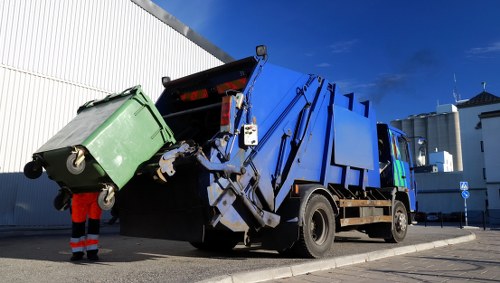 This Health and Safety policy sets out the commitment of our flat clearance company to provide a safe working environment for staff, contractors and the public during all flat and property clearance operations. The policy applies to every service we provide, including flat clearance, rubbish removal and general clearance work across our service area. It is the objective of the organisation to minimise risk and to manage hazards so that incidents, injuries and damage are avoided. This policy is intended to be clear, practical and enforceable within the context of a professional rubbish collection and property clearance service.
Our approach emphasises prevention, compliance with applicable health and safety regulations and continuous improvement of safety practices. The policy covers risk assessment, site safety, manual handling, waste handling, transportation of refuse and the safe operation of equipment used during a flat clearance service. The company expects every worker to follow safety instructions, use appropriate personal protective equipment (PPE) and report hazards promptly.
 All employees, subcontractors and temporary staff engaged in Norwood flat clearing or related rubbish removal tasks must be familiar with this policy. The organisation will provide training, on-site briefings and supervision to ensure that safe systems of work are followed. Key elements include pre-job risk assessments, daily site checks, secure segregation of hazardous materials, the use of correct lifting techniques and the maintenance of clear communication channels between team members.
Scope and Duties
This statement applies to all aspects of our flat clearance and rubbish removal work: from initial site inspection and clearance planning to removal, transportation and lawful disposal of waste. The policy covers both domestic and commercial flat clearance tasks carried out within our operational area. All roles have defined responsibilities: managers will provide resources and oversight, supervisors will manage day-to-day safety, and operatives must follow safe work procedures. It is the responsibility of everyone on site to contribute to a safe working environment.
To support safe operations the company will implement and maintain documented procedures. These procedures will include: a) comprehensive risk assessments before each job, b) safe manual handling protocols, c) a hazardous waste control process for sharps, asbestos-suspect materials or chemical containers, and d) vehicle loading and securement procedures to prevent spillage and shifting during transit. Where a potential asbestos risk is identified, work will stop and competent advice sought before continuing.
 The organisation will ensure that tools, lifting aids, trolleys and vehicles used for rubbish collection are regularly inspected and serviced. Equipment faults must be reported immediately and defective items withdrawn from service. Where specialist waste handling is required, suitably trained operatives or accredited contractors will be engaged. The company also promotes safe use of slugging and stepping equipment to minimise slips, trips and falls during clearance operations.
Key Controls and Safe Practices
 The following controls are fundamental to our safe working system and must be applied on every project:
- Pre-job planning including site-specific risk assessments;
- Mandatory use of suitable PPE such as gloves, eye protection, masks and safety boots;
- Segregation of waste streams for lawful disposal and recycling;
- Use of mechanical aids and team lifting for heavy items;
- Secure loading and covering of vehicles to prevent debris loss during transport.
Manual handling remains a leading cause of injury in clearance work. All staff must be trained in lifting techniques and encouraged to use handling equipment where available. Tasks that cannot be performed safely should be escalated so that alternative methods or additional resources can be arranged. The company will provide refresher training and make ergonomics and safe handling guidance readily accessible to everyone involved in flat clearance and rubbish removal operations.
 In addition to operational controls, the organisation maintains policies for incident reporting, investigation and learning. All incidents, near misses and unsafe conditions must be reported promptly. Investigations will focus on root causes, and lessons learned will be communicated to prevent recurrence. Regular audits and safety reviews will be undertaken to ensure ongoing compliance and to adapt procedures in response to changes in legislation or emerging risks.
Responsibilities at every level are defined to create a robust framework of accountability. Senior management will review and endorse this policy annually; managers will allocate resources and ensure training; supervisors will supervise and enforce safe working practices; and operatives must work safely, participate in training and report hazards. All personnel are encouraged to suggest improvements to safety processes.
The company will also ensure that all hazardous materials encountered during flat clearance are handled in accordance with environmental and health regulations. This includes identifying suspect items, arranging safe removal or specialist disposal and ensuring that records of hazardous waste movements are maintained. Safe segregation and lawful disposal reduce health risks and support environmental responsibility.
To conclude, this Health and Safety policy reflects our commitment to delivering high quality flat clearance and rubbish removal services while protecting people and property. Maintaining a strong safety culture requires cooperation from everyone involved; ongoing training, clear processes and active management combine to reduce risk and ensure safe, efficient operations. The policy will be reviewed regularly to ensure it remains effective and aligned with best practice for clearance and rubbish management services.