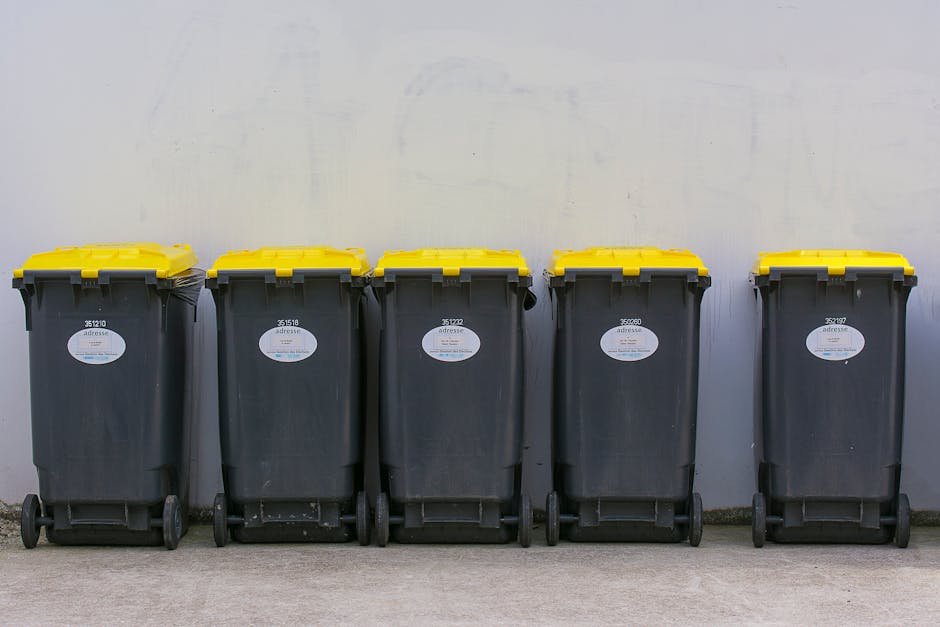
SE27 bulky rubbish removal guide for terraces and flats
If you live in a terrace or flat in SE27, bulky rubbish has a way of becoming a bigger job than it first looks. One old sofa in a hallway can block a whole exit route. A broken wardrobe can sit in a bedroom for weeks because the stairs are narrow and the lift is tiny or non-existent. And let's face it, the moment you start moving heavy furniture through shared entrances, you realise this is not your average bin-day task.
This SE27 bulky rubbish removal guide for terraces and flats walks you through the practical side of getting large items out safely, legally, and without upsetting neighbours or your back. You'll find clear steps, common mistakes to avoid, and a simple way to decide whether to handle it yourself or book a professional clearance. It's written for real homes, real access problems, and the kind of awkward rubbish that always seems to appear at the worst possible time.
Why SE27 bulky rubbish removal guide for terraces and flats Matters
Bulky waste removal in SE27 is different from clearing a driveway in a detached house. Terraces often have tight front paths, steps, shared access, limited parking, and neighbours who need to get past. Flats bring another layer: stairwells, communal corridors, lift restrictions, and building rules about when items can be moved.
That combination changes everything. A mattress might be easy to carry in theory, but in practice it can snag on bannisters, block a hallway, and become a two-person awkward dance down the stairs. A fridge is not just heavy; it can also be messy, and some appliances need special handling. If you rush, you risk damaging walls, floors, and doors, or leaving waste in a communal space longer than you should.
There's also the nuisance factor. Most people in shared homes know the feeling: one item turns into five, and suddenly you've got a stack of old furniture that needs moving before the weekend. A sensible bulky waste plan keeps the place tidy and reduces stress. It also helps you choose the right removal method for the item type, access limitations, and how quickly you need it gone.
Practical takeaway: in terraces and flats, bulky rubbish removal is as much about access and coordination as it is about lifting items. The best result is usually the one that looks calm from the outside, even if the job was a bit of a faff behind the scenes.
How SE27 bulky rubbish removal guide for terraces and flats Works
At a basic level, bulky rubbish removal means collecting large items that do not fit into normal household bins. In SE27, that often includes furniture, mattresses, appliances, carpets, garden items, dismantled shelving, and general household clutter that has grown beyond a manageable size.
For terraces and flats, the process usually starts with access planning. You need to know where the item is, how it gets out, whether it needs dismantling, and where the vehicle can safely stop. If parking is restricted, if there are basement steps, or if the item sits in a top-floor flat, that affects both the effort required and the timing.
Many people compare three broad approaches: local authority collection, self-loading and disposal, or a professional waste team. Each has different trade-offs. Council collection can be suitable for a small number of eligible items, while self-clearance can work if you already have transport and help. Professional removal is often the smoothest choice when access is tight, time is limited, or the items are too awkward to move alone.
For mixed household clearances, services such as flat clearance or wider home clearance can be more practical than trying to piece together several smaller disposal trips. If the bulky waste is mainly furniture, it may also help to look at furniture disposal or furniture clearance depending on whether you are clearing one item or several rooms.
One thing people underestimate is sorting. Bulky waste is rarely just bulky waste. There may be reusable furniture, recyclable metal, electricals, or items that require special handling. Good removal is not only about lifting and loading; it's about separating what can be reused, recycled, or disposed of properly. That part matters more than most people think.
Key Benefits and Practical Advantages
There are obvious benefits to getting bulky rubbish out of the way, but in terraces and flats the practical advantages go beyond a cleaner room.
- Safer access: clearing hallways and stairwells reduces trip hazards and fire risks in shared spaces.
- Less neighbour friction: a swift, tidy removal is less likely to cause complaints about blocked entrances or noisy lifting at awkward hours.
- Better use of space: one cleared room can suddenly become usable again. You notice it straight away, almost like the flat can breathe again.
- Lower risk of damage: careful handling helps avoid scuffed walls, chipped paint, and broken fittings.
- Time saved: a single removal visit is often much faster than multiple trips to a disposal site.
- Improved recycling outcomes: professional sorting can help divert suitable items away from landfill where possible.
There's also a quieter benefit: peace of mind. People underestimate how much mental clutter a pile of old stuff creates. A broken table in the hallway is not just an object; it is a reminder that another task is waiting. Clear it, and the place feels lighter. Simple as that.
If you are managing several rooms, or tackling a move-out, pairing bulky waste removal with house clearance can make the whole job more efficient. For landlords or agents, the same logic applies when a flat needs to be turned around quickly and professionally.
Who This Is For and When It Makes Sense
This guide is for anyone in SE27 dealing with large unwanted items in a terrace house, maisonette, or flat. That might be a homeowner, tenant, landlord, letting agent, executor, or someone clearing a property after renovation or a long-overdue declutter.
It tends to make sense when:
- you have one or more heavy items that won't fit normal collection arrangements
- stairs, narrow halls, or shared entrances make DIY removal awkward
- you need items gone quickly before a move, inspection, or refurbishment
- the waste includes mixed materials and you want the sorting handled properly
- you simply do not have the time, vehicle, or help to do it yourself
In flats, bulky rubbish removal is especially useful after furniture upgrades. A new sofa arrives, the old one has to go, and suddenly the hallway feels too narrow for comfort. In terraces, it often happens after loft clear-outs, garage tidy-ups, or the classic "we'll deal with it later" accumulation. Truth be told, later arrives eventually.
For different types of heavy items, specialised help can be better still. A mattress and sofa disposal service is a good fit when those items are the main problem. If your bulky waste includes white goods, look at fridge and appliance removal so you do not end up treating electricals like ordinary rubbish.
Step-by-Step Guidance
Here's a straightforward way to handle bulky rubbish removal in a SE27 terrace or flat without turning the day into a small disaster.
- Identify everything you want removed. Walk the property room by room. Be honest. If you are keeping a chair "just in case," leave it out for now.
- Check access routes. Measure doorways, hall width, stair turns, lift size, and any awkward corners. A few centimetres can matter more than you'd expect.
- Sort items by type. Separate furniture, appliances, general junk, garden waste, builders' debris, and anything potentially hazardous.
- Dismantle where safe and sensible. Remove table legs, bed frames, and shelf units if that makes transport easier. Keep screws and fittings in a small bag.
- Protect the route. Use blankets, cardboard, or corner protection if you're moving items through a narrow hallway or stairwell.
- Book the right disposal option. For mixed clearances, a professional waste removal service is often the least stressful route. For larger property clear-outs, home clearance can be more efficient than arranging separate collections.
- Confirm what cannot be taken as ordinary waste. Hazardous materials and certain appliances may need specific handling.
- Move the items out safely. Lift with care, keep the route clear, and don't try to be heroic with something obviously too heavy. No one wins a medal for a sore back.
- Check the space afterwards. Look for hidden fixings, loose nails, glass shards, or dust where furniture used to sit.
If you are managing a flat clearance or clearing a rental between tenancies, it often helps to group everything into one collection rather than two or three smaller efforts. That cuts down disruption, which in a shared building is worth its weight in gold.
Expert Tips for Better Results
After enough clearances, a few patterns become obvious. The jobs that go smoothly usually have the same habits.
- Measure before lifting. Don't assume a sofa will fit through the front door just because it made it in years ago. Furniture and doorframes are not always on speaking terms.
- Plan for parking. In SE27 terraces, parking can be the real bottleneck. If a vehicle cannot get close enough, the job becomes slower and noisier.
- Use two people for awkward items. A mattress, wardrobe, or fridge is often safer with a second pair of hands, especially on stairs.
- Keep communal areas clear. In flats, one small delay in the hallway can create a very visible pile-up. Neighbours notice that stuff immediately.
- Separate reusable items early. If something is still in decent condition, decide early whether it should be moved, donated, or disposed of.
- Have a disposal plan for odd bits. Loose drawers, broken mirrors, and bed slats are the bits that get forgotten. They always seem to appear at the end.
A lot of people also find it useful to think in layers: main item first, then accessories, then loose waste. That stops the room becoming a mess again during the removal process. Small thing, but it helps.
Where practical, services that focus on recycled outcomes can be worth prioritising. You can read more about that approach through recycling and sustainability, especially if you want a cleaner result without throwing everything into one general waste stream.
Common Mistakes to Avoid
Most bulky rubbish problems are avoidable. The trouble is that people only notice the problem halfway down the stairs.
- Leaving it until the last minute. If you need a clearance before a move or inspection, don't leave booking to the final day. It adds unnecessary pressure.
- Ignoring building rules. Some blocks have restricted moving times or require notice for large collections. Skipping that step can create headaches.
- Assuming everything can go together. General rubbish, electricals, and hazardous items may need different treatment.
- Trying to force oversized items through tight spaces. That is how walls get damaged and tempers rise. A little planning saves a lot of regret.
- Forgetting about weight distribution. Heavy items stacked badly can make loading unsafe or impossible.
- Overlooking soft furnishings and mattresses. These are often bulkier than they look, and they need the right disposal route.
Another common issue is not checking whether the item is actually unwanted. Sounds obvious, but in a cluttered flat it is easy to move a box of paperwork, a bag of cables, and a lamp all to the "remove" pile, then realise two things were still needed. Classic. A quick second look saves time.
Tools, Resources and Recommendations
You do not need a huge toolkit, but the right basics can make bulky waste removal much safer and tidier.
| Item | Why it helps | Best for |
|---|---|---|
| Gloves | Protect hands from splinters, dust, and sharp edges | Most household bulky items |
| Furniture sliders | Make heavy pieces easier to move across floors | Sofas, wardrobes, cabinets |
| Ratchet straps or strong tie-downs | Secure items during loading and transport | Appliances, tables, mixed loads |
| Cardboard or blankets | Protect walls and corners during removal | Shared hallways and narrow staircases |
| Basic screwdriver or Allen key set | Helps dismantle beds, shelves, and flat-pack furniture | Items that do not fit cleanly through doorways |
For people who want a simpler route, a professional collection can take the guesswork out of the job. If you are comparing options, checking pricing and quotes is usually the sensible next step before you commit. And if you want to understand what items can be loaded into a container-style solution, what can go in a skip is a useful reference point, even if you later decide a skip is not the best fit for your building.
For commercial premises, other clearance pages may be more relevant, such as office clearance or business waste removal. That matters because mixed-use buildings often generate both domestic and workplace waste, and the disposal route should match the source.
Law, Compliance, Standards, or Best Practice
With bulky rubbish, the safest approach is to follow normal UK waste-handling best practice: keep waste in the right place, use a legitimate disposal route, and avoid leaving items where they create hazards in shared spaces. If you live in a flat or terrace, that usually means being considerate of access routes, fire exits, and neighbours.
For certain materials, extra care is sensible. Electrical items, fridges, and some appliances should not be treated like mixed general rubbish. Similarly, anything classed as hazardous needs a proper route. If you are unsure, it is better to ask before moving the item than to guess after it has already been hauled to the curb.
From a practical point of view, good providers should also operate with appropriate safety and insurance awareness. That is one reason it is worth reviewing pages like insurance and safety and health and safety policy before booking. Those pages can help you understand how the service approaches risk, handling, and site protection.
If confidentiality matters, perhaps because the clearance involves papers, storage units, or old office contents, then confidential shredding may be relevant. Not every bulky rubbish job is about sofas and wardrobes; sometimes it's boxes of sensitive paperwork that have been lurking in the cupboard for years. Happens more often than you'd think.
When in doubt, best practice is simple: do not overload, do not block access, and do not mix unknown materials with ordinary household waste. It may sound basic, but basics are what keep the job safe.
Options, Methods, or Comparison Table
If you are deciding how to get bulky waste out of a SE27 terrace or flat, the main choice usually comes down to three practical methods.
| Method | Best for | Pros | Trade-offs |
|---|---|---|---|
| DIY disposal | Small loads, easy access, access to a vehicle | Can be cheaper, flexible timing | Heavy lifting, multiple trips, parking and loading hassle |
| Local authority collection | Limited number of eligible items | Convenient for some households | May have booking limits, rules, or longer waits |
| Professional bulky waste removal | Flats, terraces, difficult access, mixed items, time-sensitive jobs | Less lifting for you, faster clearances, better handling | Usually costs more than doing it yourself |
For most terraces and flats, the professional route is often the most balanced choice because access is the thing that makes the job awkward in the first place. If you already know the property layout is tight, you may save yourself a lot of stress by going straight to a planned collection instead of trying to improvise.
That said, DIY can still make sense for a single lightweight item, especially if it dismantles neatly and you already have transport. The key is being honest about the load. A "small" wardrobe can become a "why did we think this was manageable?" moment very quickly.
Case Study or Real-World Example
Imagine a second-floor flat in SE27 with a narrow communal stairwell, a sofa bed in the living room, a mattress in the bedroom, and a small appliance tucked into the kitchen corner. On paper, it sounds simple enough. In reality, the sofa bed does not turn cleanly on the landing, the mattress brushes the wall, and the appliance needs careful handling to avoid dragging marks across the flooring.
In a situation like that, the smartest move is usually to plan the order of removal. The appliance comes out first if it is stored near the exit, then the mattress, then the sofa bed once the route is clear. If the furniture needs partial dismantling, that happens before anything is lifted. A team that knows flat access well will also think about parking, time windows, and whether the item can be carried without blocking the entrance for longer than necessary.
The difference is noticeable. Instead of a stressed, stop-start process with items half in the hallway and half in the room, the clearance feels controlled. The flat is cleared faster, the stairwell stays usable, and you do not end up apologising to three neighbours in the course of one afternoon. A small win, but a real one.
For larger or more mixed jobs, the same logic applies across the whole property. If the clearance includes bedrooms, storage cupboards, and general clutter as well as furniture, a broader flat clearance approach usually works better than treating each item as a separate problem.
Practical Checklist
Use this checklist before moving bulky rubbish in a terrace or flat.
- Identify every item to be removed
- Check whether anything should be kept, donated, or recycled
- Measure doors, stair turns, and lift space
- Confirm parking or loading access
- Ask whether the building has moving rules or time restrictions
- Dismantle large items where appropriate
- Separate appliances, furniture, and mixed waste
- Keep sharp or broken parts wrapped safely
- Protect floors and walls on the route out
- Set aside any hazardous or special items for separate handling
- Book the most suitable removal option
- Clear the final area and sweep up afterwards
If you are arranging the work for a tenant move-out, refurbishment, or inherited property, it can also help to look at related services such as house clearance, loft clearance, or garage clearance depending on where the bulk is coming from. Not every clutter problem starts in the lounge.
Get a free quote today and see how much you can save.
Conclusion
Bulky rubbish removal in SE27 terraces and flats is rarely about one big item alone. It is about access, timing, safety, and making sure the whole job is handled without creating a mess in the shared parts of the building. Once you understand that, the process becomes much easier to manage.
The best approach is usually the one that fits the property, the item type, and your schedule. Sometimes that means a careful DIY trip. Often, it means a professional clearance that takes the pressure off and keeps everything moving in one clean sweep. Either way, a bit of planning goes a long way.
If the task feels annoying, messy, or just too heavy to tackle alone, that is a fair sign to pause and choose the simpler route. A tidy flat and a clear staircase are worth it. And honestly, so is your back.
Frequently Asked Questions
What counts as bulky rubbish in a SE27 flat or terrace?
Bulky rubbish usually includes large household items that do not fit in standard bins, such as sofas, mattresses, wardrobes, appliances, tables, and dismantled furniture. In shared homes, even a few items can become bulky if access is tight.
Can I move bulky waste myself from a flat?
Yes, if the items are light enough, the route is safe, and you have the right help and transport. For stairs, awkward corners, or heavy furniture, it is often safer to use a professional removal service.
Is bulky rubbish removal more difficult in terraces and flats?
Usually, yes. Narrow hallways, staircases, shared entrances, and limited parking make the job more complicated than in a house with a driveway. That is why access planning matters so much.
What should I do with fridges and other appliances?
Appliances should be treated carefully and not dumped with ordinary household waste. If a fridge or similar item is part of your clearance, a service like fridge and appliance removal is the more suitable route.
Can sofas and mattresses be removed with other bulky items?
Often yes, but they may need different handling depending on the collection method. If those are the main items, a dedicated mattress and sofa disposal option can be a better fit.
How do I prepare a flat for bulky rubbish collection?
Clear the route, measure doorways, separate items by type, dismantle what you can safely, and check whether the building has any moving restrictions. A few minutes of planning can save a lot of awkward lifting.
What if my items are mixed with general clutter?
That is very common. In that case, a wider home clearance or flat clearance approach is often more efficient than trying to sort everything into separate bookings.
Do I need to worry about hazardous waste?
Yes. Anything hazardous should be identified early and handled separately. If you are unsure whether something is hazardous, do not mix it with ordinary rubbish. It is safer to check first.
Is professional bulky rubbish removal worth it for one item?
If the item is large, heavy, or difficult to get out of a flat, then yes, it can be worth it. The value is not just in speed; it is also in avoiding damage, strain, and repeated trips.
How do I know which clearance service I need?
Think about the item type and the setting. Furniture-heavy jobs may suit furniture clearance, mixed home clutter may suit home clearance, and business-related waste may need business waste removal.
What should I check before booking a collection?
Check what items are included, whether there are access constraints, how the team handles recycling, and whether the provider has clear safety and insurance information. Pages like pricing and quotes can also help you plan properly.
Where can I learn more about what can be loaded together?
If you are weighing up container-based disposal, the page on what can go in a skip gives a useful overview of typical item types and helps you think through what belongs in the load.